The cinematography of Superman with Henry Braham BSC
Superman’s first appearance in Action Comics #1 in 1938 kicked off a golden age for superhero storytelling in the pages of DC Comics. With the feature film Superman, writer-director James Gunn launches a new era of live-action storytelling for DC's storied cast of heroes and villains, reflecting the modern world whilst honoring the characters' history and heart.
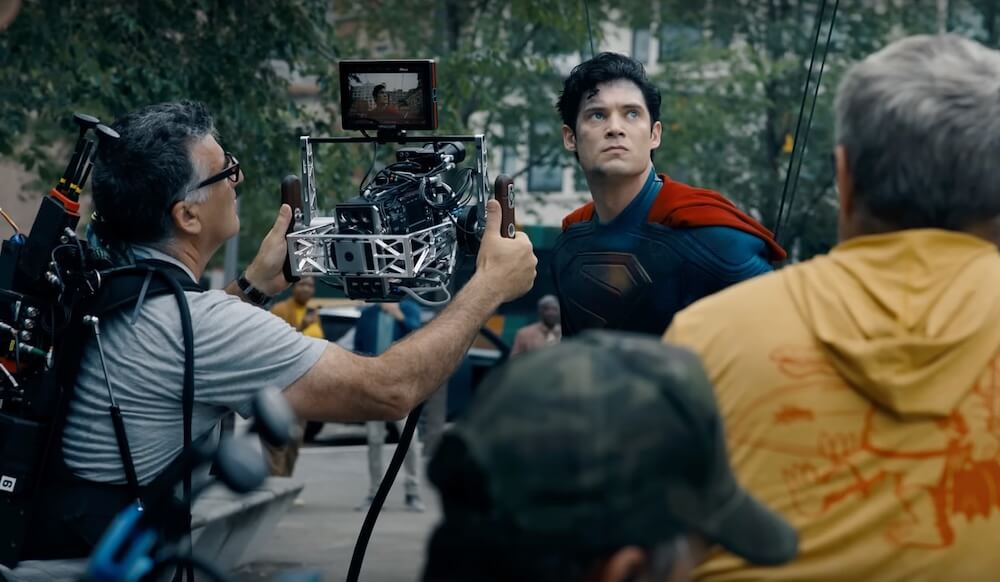
To bring this iteration of the Man of Steel to the screen, Gunn assembled a team of collaborators that included cinematographer Henry Braham BSC. A veteran of the director's earlier features Guardians of the Galaxy Vol. 2 and Vol. 3 and The Suicide Squad, Braham strove to anchor Superman's action with a grounded camera, often handheld but still stabilised so as to never distract the audience from the story being told. Braham primarily worked with Panavised RED V-Raptor [X] cameras, with support from Panavision Atlanta as well as his regular collaborators at Panavision London. Panavision recently caught up with the cinematographer for his insights on the production.
How would you describe the look of the film?
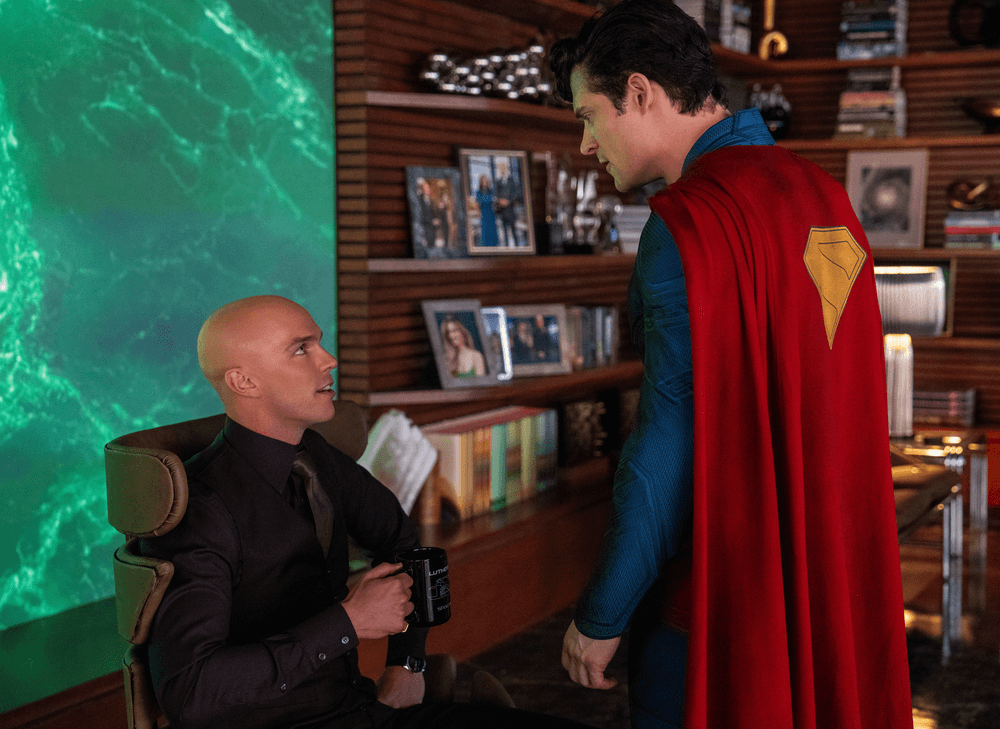
Henry Braham BSC: Grounded. It brings together all the experiences I've had of film making, including a lot of aerial photography, and life experiences, too, in order to find the balance between truth and fantasy.
Were there any particular visual references you looked at for inspiration?
Braham: It's a hard question. The reality is that everything is a visual reference. The intent is to find a visual language for the film that is specific to that story. Superman is about humanity, fallibility and the power of goodness and hope. Walking around Cleveland, Ohio - the home of the original writers [Jerry Siegel and Joe Shuster] - was a starting point for me to understand the pride and hope of the era set against the reality of normal human struggles.
How did you and director James Gunn collaborate in getting the desired look?
Braham: Intensely. The job of all the filmmakers involved is to interpret the director’s vision, personality and storytelling style onto the screen. This happens through intense preparation and structured communication. Directors work differently, and the process and journey is always fascinating. James is a writer and director, so it begins with his script. And the design of sequences and specific complicated scenes are first in his writing, second in his storyboards, and third in pre-visualized animation, typically for action that requires complex planning with a lot of disciplines.
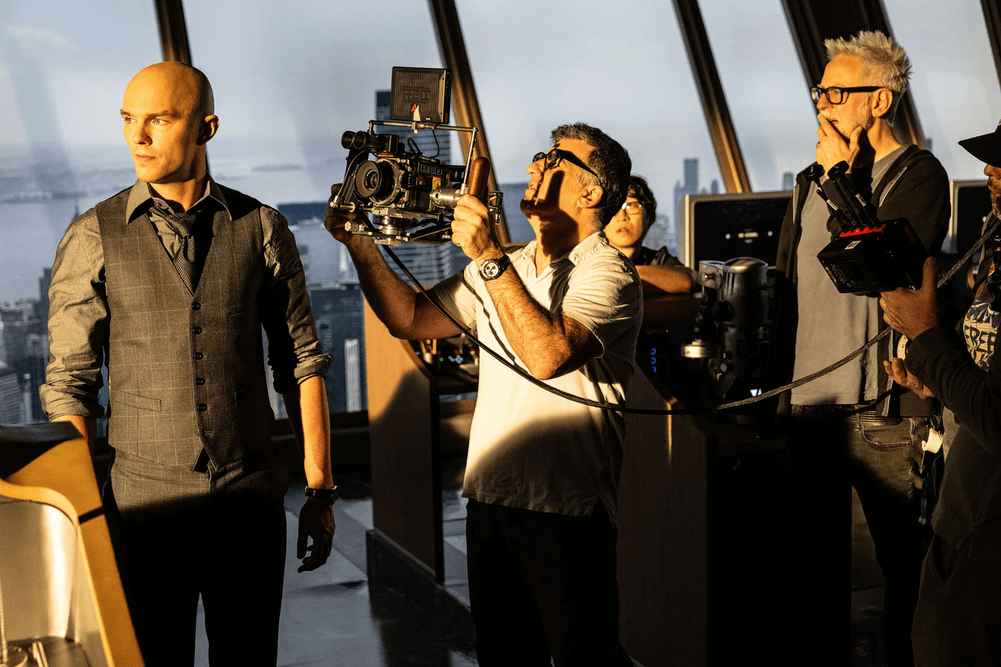
The storytelling informs the look of the film. In the case of Superman, the intent is for the visual style to be grounded whilst taking the audience through a huge visual journey. That may sound like a contradiction, but it means that the shooting style on the one hand is very structured and prepared and on the other hand intuitive. This is the philosophy behind the way I shoot almost entirely handheld but totally stabilised. It allows the audience to be present in the scene and, I hope, not be aware of how the film is photographed or what the camera is doing - an intuitive conduit for the director's voice to the screen.
In the case of the 'print' look or the photographic texture of the film, I find it helpful to shoot material during prep and to build a short reel of material to work on the colour. This enables everyone to understand how colour will render and for choices in design to be made in that knowledge. It also means that the colour is built into the film from the beginning. This is important for everyone, but especially for the visual-effects process as they need to know the intent before they start. It also means the colour process in post-production is fast.

How does the breadth of Panavision's inventory inform your process?
Braham: For me, Panavision is about the people. Charlie Todman [Panavision U.K. Technical Marketing Director] and his team have an astounding breadth of experience and depth of knowledge. Film making is a collaborative process. It has always been the same from when I first started and knew nothing to knowing something now. The support and contribution the Panavision team bring to any cinematographer, camera team and producer on each individual project is crucial.
The thing that is most important to me is simplification. And on these projects, systems are important. First AC Dermot Hickey and the Panavision team are always inventing ways to reduce, simplify and progress the technology. Nothing stands still.
What inspired you to become a cinematographer — and what keeps you inspired today?
Braham: I've always been a visual person. I think in pictures. It's the same today, but I love the people, collaboration, invention and process of making something in our imaginations into a finished film in the theatre.
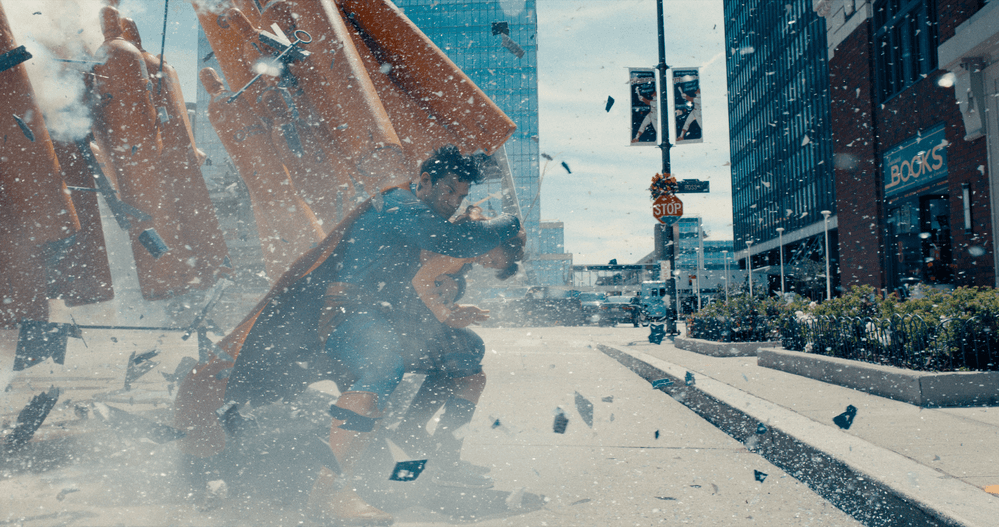
Unit photography by Jessica Miglio SMPSP. All images courtesy of Warner Bros.